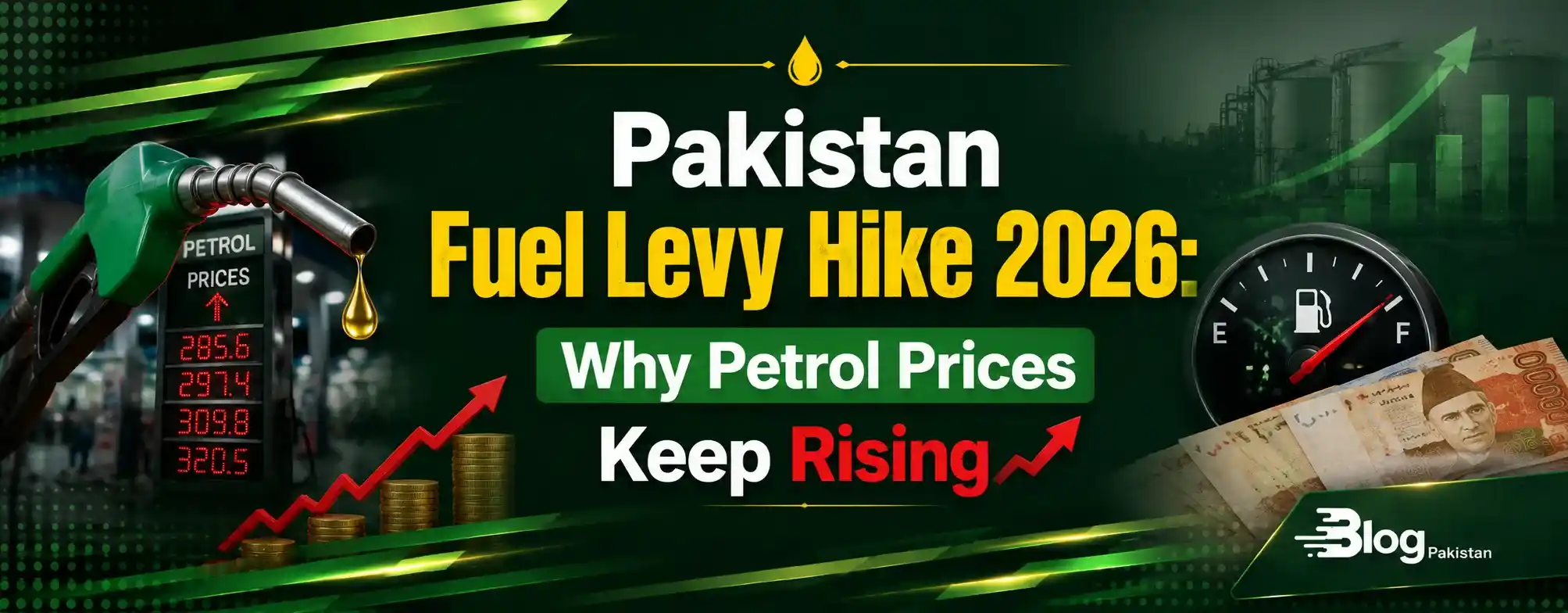
Petrol prices in Pakistan continue to grow and remain a concern for consumers in 2026, with government-imposed petroleum levies playing a key role in keeping costs high. While international oil prices continue to influence local fuel rates, a growing share of the price paid at the pump now comes from taxes and levies rather than the fuel itself.
According to 2026, the petroleum levy on petrol increased significantly from around Rs 84 per liter in February to Rs 107.38 per liter in April, before rising further to approximately Rs 117.41 per liter in May. The increase is roughly around Rs 33 per liter within just a few months, making the levy one of the biggest contributors to higher fuel prices in Pakistan.
In June 2026, the price of petrol in Pakistan stands at Rs 373.78 per liter, while high-octane blending component (HOBC), commonly known as high-octane fuel, costs around Rs 440.00 per liter. Although fuel prices have seen recent reductions, consumers continue to face elevated costs due to the government’s increasing reliance on petroleum levies to generate revenue and meet fiscal targets.
The impact extends beyond fuel stations. Higher petrol and diesel costs increase transportation and logistics expenses, which often translate into higher prices for food, consumer goods, and essential services. As a result, rising fuel levies continue to add pressure on household budgets and contribute to broader inflation across the economy.
Conclusion
With petroleum levies reaching record levels in 2026, petrol prices in Pakistan remain heavily influenced by government taxation. Unless levy rates are reduced, consumers are likely to continue feeling the effects of higher transport costs and rising inflation in the months ahead.
Learn More
How to Get Monthly Fuel Subsidy in Sindh 2026 – Apply Online Guide
How to Avail Fuel Subsidy in Punjab (2026 Apply online Guide)